 In today’s dynamic workplaces, the conversation around Equity, Diversity, and Inclusion (EDI) is expanding beyond representation metrics. Forward-thinking organizations recognize that a truly inclusive environment must also prioritize the mental health and general well-being of all employees, especially those from marginalized groups. The intersection of mental health and EDI reveals unique challenges and opportunities for creating supportive workplaces where everyone can thrive.
Understanding the Unique Challenges
Employees from marginalized groups often encounter stressors that differ from those experienced by their colleagues. The manifestation of systemic discrimination, microaggressions, and exclusion can significantly impact the mental health of traditionally underrepresented groups (e.g., racial and ethnic minorities, 2SLGBTQ+ individuals, people with disabilities, Indigenous people, etc.). For example, when individuals from equity-deserving groups are hyper-aware of negative stereotyping that works against them, or they fear being devalued, it can impair their productivity and lead to anxiety and depression.
These mental health disparities are not inherent to these group members; rather, they are often a direct result of navigating environments where they may experience bias, exclusion, and a lack of psychological safety (Cénat et al, 2025). The pressure to assimilate into dominant workplace cultures can increase the risk of burnout and exacerbate mental health struggles.
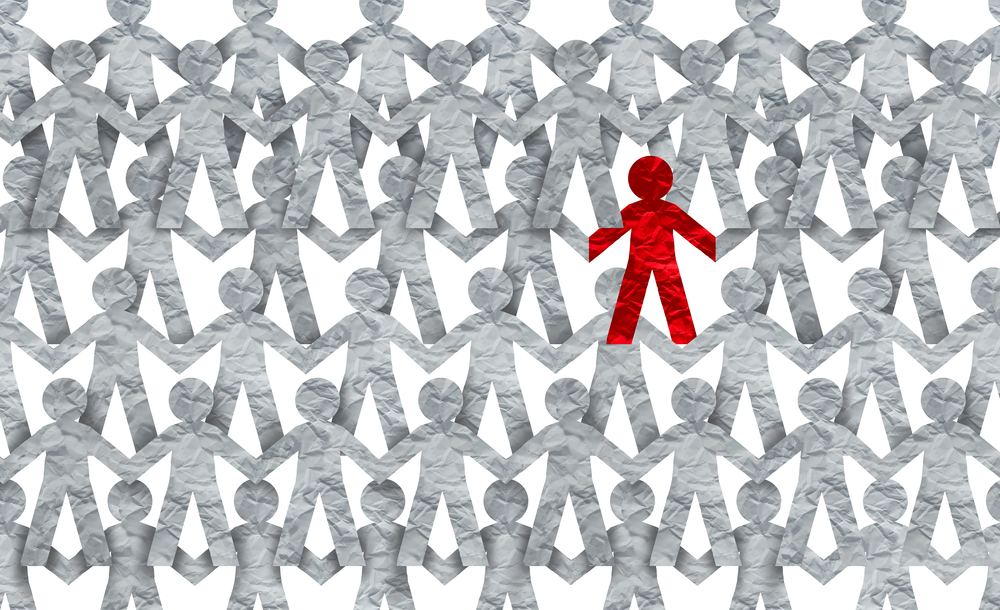 One critical aspect of this intersection is the concept of minority stress (Valentine and Shipherd, 2028), which refers to the chronic stress experienced by members of stigmatized groups due to prejudice and discrimination. This constant stress can manifest in various mental health issues, impacting job performance, engagement, and overall quality of life. Organizations that fail to address these unique stressors risk perpetuating a cycle of inequity and harming their employees’ well-being.
A previous blog, Modern Leadership: Balancing Appreciation of Employees’ Contributions and Wellness, emphasizes that modern leadership requires balancing appreciation of employee contributions with genuine concern for their mental and emotional well-being. Leaders need to understand the varying experiences of all employees and cultivate an inclusive environment that recognizes and respects these differences.
Building a Supportive Environment
Creating a supportive environment that prioritizes mental well-being requires intentional shifts in organizational culture. Here are several strategies:
Psychological Safety and Inclusivity:
 Encourage a culture where employees feel safe contributing their knowledge and experience to collective goals and expressing concerns without fear of ridicule or retaliation. Leaders should model authenticity and transparency, promoting open discussions about mental health.
Implementing EDI Policies that Matter:
Policies should go beyond mere compliance and actively nurture a truly inclusive culture. This can involve continuous learning on anti-racist practices, microaggressions, HR policies and inclusive leadership/leadership development. By ensuring that diverse voices are heard and valued, organizations can better support the mental health of marginalized employees.
Access to Appropriate Mental Health Resources:
Providing access to mental health resources is essential. This can include Employee Assistance Programs (EAPs), counselling services, and partnerships with mental health organizations that support marginalized communities. These resources should be easily accessible and culturally competent to cater to diverse employee needs.
A previous blog, Mental Health: Making it Work in the Workplace, discusses the importance of mental health awareness and the implementation of supportive systems within organizations. Being proactive about offering resources tailored to the specific needs of marginalized employees can significantly impact overall well-being.
Engagement in Continuous Learning:
 Encourage ongoing education around mental health and its intersection with EDI. Workshops, seminars, and training sessions can serve as platforms for raising awareness and equipping employees with the tools needed to support themselves and their peers.
Creating Employee Resource Groups (ERGs):
Creating employee resource groups (ERGs) can also play a vital role. ERGs provide safe spaces for employees from marginalized groups to connect, share experiences, and access support. These groups can also serve as valuable sources of feedback for organizational leaders, helping to inform EDI strategies and identify areas for improvement.
Assessing Employees’ Well-Being:
Regularly assess the mental health and well-being of your workforce. Anonymous surveys and feedback mechanisms can provide valuable insights into the employee experience and highlight areas where additional support. Use this data to inform your EDI and mental health initiatives, ensuring they are responsive to the evolving needs of your employees.
Creating Channels for Feedback and Improvement:
Establish clear and credible channels for employees to voice their concerns and suggestions without fear of reprisal. For these channels to be credible, there must be a reasonable expectation that when they disclose mistreatment, meaningful action will be taken. Regular feedback loops can help organizations understand the effectiveness of their initiatives and make necessary adjustments.
The Role of Leadership:
Leaders play a pivotal role in shaping workplace culture. As suggested in Three Leadership Practices to Consider Embracing, leaders should embody modern approaches that prioritize inclusive, supportive work environments. They must strive to eliminate oppressive practices and foster teams where diversity is celebrated, and mental well-being is seen as integral to organizational success.
Closing Thoughts
By integrating mental health and EDI initiatives, organizations can pioneer workplace cultures that are both inclusive and supportive. Ideally, these initiatives should address the systemic roots of marginalization that affect individuals’ well-being. Leaders, HR professionals, and employees alike have a shared responsibility to champion mental wellness and cultivate workplaces where all individuals feel valued, respected, and empowered to thrive.
Did this article spark any HR or leadership-related questions, plans or concerns?
Reach out today for a free and confidential initial consultation by phone, email, or via direct message on Instagram, LinkedIn, or Facebook.
P.S. If you haven’t yet done so, stay in the loop by subscribing to my bi-monthly newsletter. Click here. I promise not to spam you, and your email address will always remain private.
If you enjoyed this topic or are interested in ongoing professional and leadership development, you’ll also enjoy reading or listening to How to Be Resilient in Your Career: Facing up to Barriers at Work, my book that was published in February 2023 by Routledge. It’s available in print, as an eBook, and on Audible.
More than career coaching, it’s career psychology®.
I/O Advisory Services Inc. – Building Resilient Careers and Organizations TM.