 It’s almost Canada Day. Who would have thought we’d still be in COVID-19 limbo after 100+ days? As I reflect on the ‘before times’ I am noticing some pandemic positives, or in other words, silver linings and upsides.
That’s not to say the downsides aren’t monumental. The virus has been life-changing. The reality of pandemic grief has touched everyone. From the postponement of celebrating life events like graduations, weddings, and birthdays to job loss, severe illness, and loss of life.
Anecdotally the stories of small but real pandemic positives or silver linings abound. The lessening of air and water pollution is a heartening example. Finding the highway strangely empty at rush hour. Hearing from old friends, taking stock, and reaching out after months or years to ask how you are.
In a work context, the experience of working from home has also come with some positive surprises.
The Quiet Hard Worker Gets a Place in the Sun
Typically, most workplaces have certain people who are great at maintaining high visibility but not as great at delivering. They have charisma and charm and tend to get noticed. While I fully endorse the importance of networking and outreach as a cornerstone of professional resilience and success, I also believe it’s important to be good at key work responsibilities.
 During the pandemic, when many of us have been relegated to our home, the playing field has been levelled in some ways, and the quiet, hard-working people are having their time to shine. These people traditionally get less attention and sometimes they get less respect. I’ve been hearing from clients and friends about how these dedicated ‘doers’ are finally getting noticed because of what they contribute and getting the appreciation that they deserve. Their efforts are essential because, in so many businesses, there are lower revenues and increased costs associated with PPE and cleaning protocols. When profit margins are thinner, productivity matters more than ever.
Working from Home No Longer a Special Perk or Arrangement

I know people with disabilities and chronic illnesses who used to have a hard time negotiating their work-from-home arrangements. Managers and coworkers regarded them with some disdain for being “demanding” and “special.” Now they are having an easier time. Working from home is no longer a special circumstance. On top of that, everyone now knows what’s possible – that working from home allows for as much if not more productivity, and there is more to life than in-person boardroom meetings.
Familiarity Breeds Contempt, While Absence Makes the Heart Grow Fonder
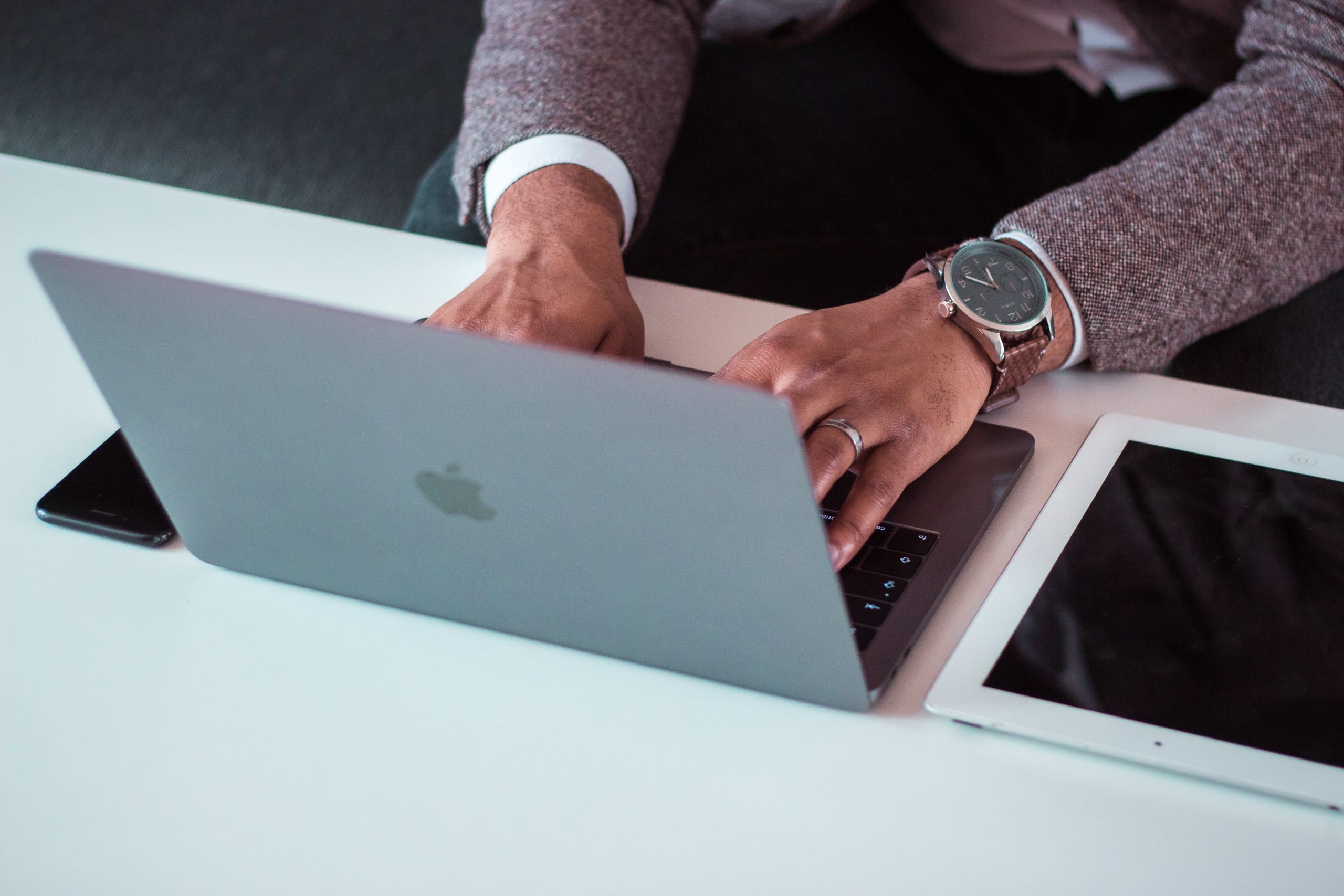 Another example of pandemic positives relates to workplace culture. Anyone who has worked in an environment where they feel unwelcome because of their race, religion, sexual orientation, gender identity, etc. is probably enjoying the distance from their toxic workplace. I’d go as far as saying that many of these people would prefer to remain employed from home indefinitely.
Better Output for Some
Research suggests it’s smart to reserve a block of time for ‘deep work,’ and focus on tasks long enough to reach a state of peak productivity or ‘flow.’ For people who have a good home office situation, the work-at-home pandemic has led to increased output.
On the bright side, you’re no longer forced to listen to the over-sharer in the next cubicle or be endlessly bored by coworkers who don’t take social cues.
To be fair, however, those without an ideal home office and young children at home have probably been having a more difficult time staying focussed. I’d also argue that for people who are caring for their children all day without the benefit of school, childcare, camps, or sports, it must be gruelling to try to start your workday after your children go to sleep (or another adult can step in to take care of the children). This scenario doesn’t look sustainable for the long term.
Caution: Workplace Boundaries Are Now Much More, or Much Less Clear
Working from home can lead to one of two situations: better workplace boundaries, or weakened workplace boundaries. On one hand, you’re no longer sharing a physical space. You aren’t subjected to obnoxious cologne or the stories of an inescapable gossip. On the other hand, you’re working from home and may find it hard to know where work ends and home begins.
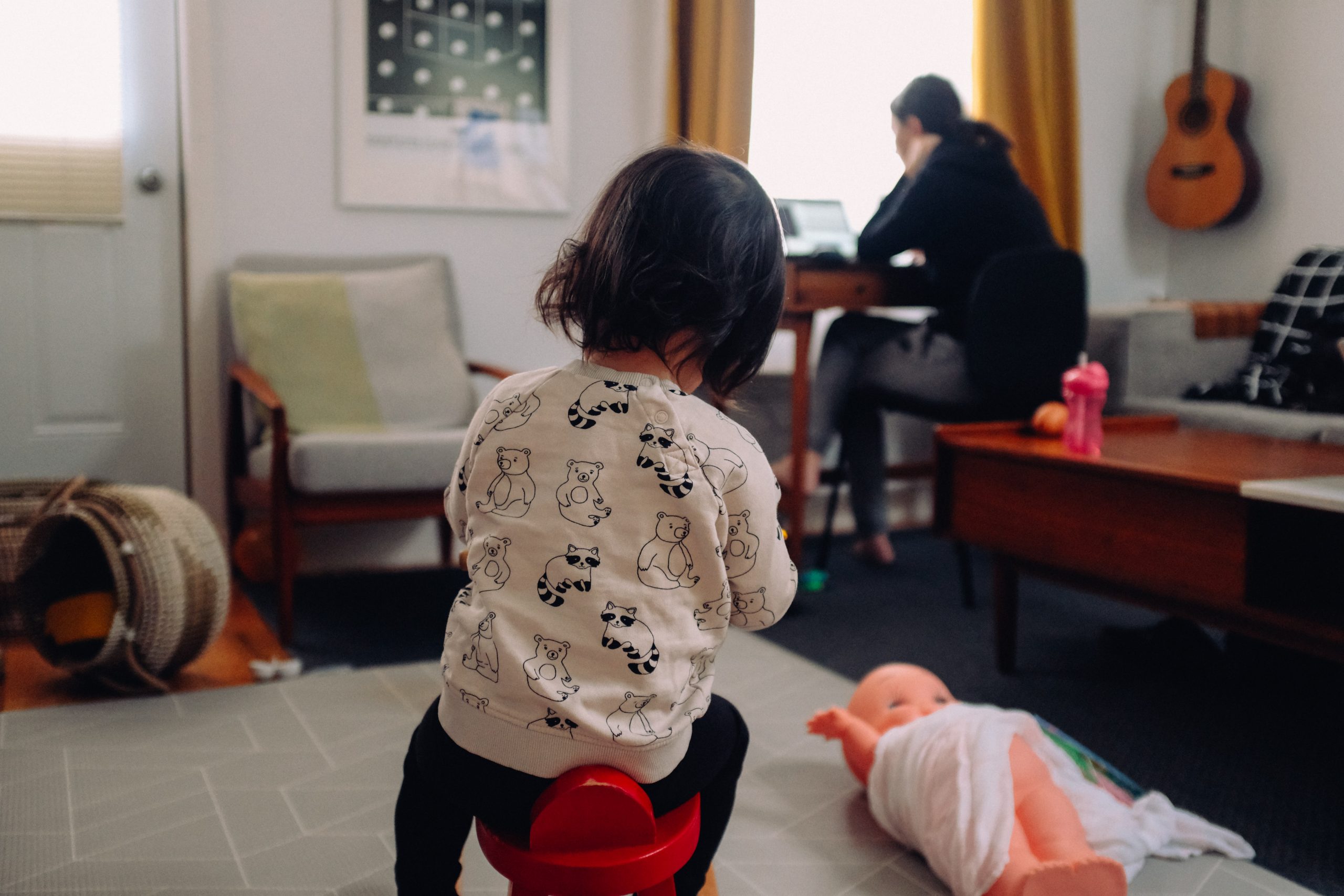 It can take a lot of resolve and determination to ignore after-hours messages about work. Ideally, leaders would set the tone and walk the walk, because when senior leaders work around the clock, it puts pressure on staff to reciprocate, but the pay scale won’t necessarily reflect that extra effort.
I generally encourage my clients to set firm boundaries around work, especially now that the lines have become so blurred.
If you’re contemplating any work-related changes or improvements, I invite you to reach out confidentially via today for a free and confidential initial consultation by phone, email, or via direct message on Twitter, Facebook or LinkedIn.
More than career coaching, it’s career psychology®.
I/O Advisory Services – Building Resilient Careers and Organizations.™