 You thought your job search process was elite – you’ve applied to dozens of jobs, tailored your resume, and written thoughtful cover letters. But the silence is deafening. No interview invites, no feedback—just a seemingly endless void.
If you’re feeling stuck in your job search, you’re not alone. I’ve heard from many qualified candidates who are facing the same frustrating experience. The fact is, they’re facing hidden barriers they never even knew existed, from fake job postings to resume-screening algorithms that reject applications before a human ever sees them.
The job market today is full of these invisible hurdles, but understanding them can help you adjust your strategy and improve your chances of getting noticed.
The Rise of “Ghost” Jobs
“Ghost” jobs are listings that continue to appear on job boards or company websites long after the hiring process has ended or the role has been filled. These postings remain visible either due to oversight or as a deliberate tactic by companies.
 Sometimes businesses use these listings to project an image of ongoing growth, signalling to competitors, clients, or investors that they are thriving and expanding. Other times, the job might have been filled internally or placed on hold, but the listing stays live simply because the company hasn’t bothered to remove it.
Additionally, Ghost jobs can be fake job listings where no opening exists at all. According to ResumeBuilder, up to 40% of companies admit to posting a “fake job listing” in the past year, while 30% say they’re currently advertising positions that don’t actually exist.
As alarming as those statistics are, what’s even more disturbing is that 70% of hiring managers told ResumeBuilder that they consider it morally acceptable to post fake job listings!
For job seekers, this is incredibly frustrating. Tailoring resumes, researching companies, and applying for what turn out to be unavailable jobs is a discouraging waste of time. The silence that follows can feel like rejection, when in reality, the opportunity may have never truly existed.
Some companies and hiring agencies post “filler” job listings to assess the talent pool or gauge interest in certain roles, even though they have no immediate need to hire. These postings might be used as a way to gather resumes for future openings or simply to keep up the appearance of growth and opportunity within the organization. It’s also not uncommon for recruiters to leave these listings up long after they have lost relevance.
Recognizing the signs of such listings can help you better allocate your energy. Pay attention to overly vague job descriptions or roles that seem to have no clear timeline for hiring. It’s especially worth noting when the same company consistently advertises for the same positions without ever appearing to close them.
Internal Candidates: Jobs Meant to Be Filled From Within
Some organizations post job openings externally, not because they’re seeking new talent, but because it’s required by internal policies or legal guidelines. In these cases, the organization already has an internal candidate in mind for the role. This practice gives the appearance of a fair, open process, while the reality is that an insider is almost certainly going to fill the position.
For external applicants, this means their applications are often treated as a formality, with little or no chance of serious consideration. Job descriptions in these situations can sometimes offer clues: requirements that seem unusually specific, such as a very particular combination of skills or years of experience with a proprietary tool, may indicate the posting is written to match an internal candidate’s qualifications.
This can be especially frustrating for external candidates who may be more than qualified, but invest time and energy applying for a position they were never likely to get. Recognizing these signs can help you prioritize applications to positions where you have a more realistic shot.
The AI Resume Flood
The increasing use of AI tools to generate resumes has resulted in a surge of highly polished applications being submitted at an unprecedented rate. With so many AI platforms enabling candidates to quickly produce professional-looking resumes, hiring managers are receiving an overwhelming number of applications.
 The problem, however, is that they all look the same!
While this technology can make it easier for you to format and craft your resume, it also creates a new problem: it becomes difficult for your unique qualifications and personality to shine through. When every submission looks equally polished and tailored, the genuine qualities that might set you apart can get lost.
Now, more than ever, personalization is the key to standing out in the sea of AI-generated applications. While it may seem tedious, customizing your resume and cover letter for each job is still essential, highlighting specific skills and experiences that align directly with the role.
Additionally, leveraging connections and networking—whether through LinkedIn, professional groups, or industry events—can help bypass some of the impersonal resume-screening processes and get your name in front of decision-makers.
Algorithmic Gatekeepers: Issues with Automated Screening Tools
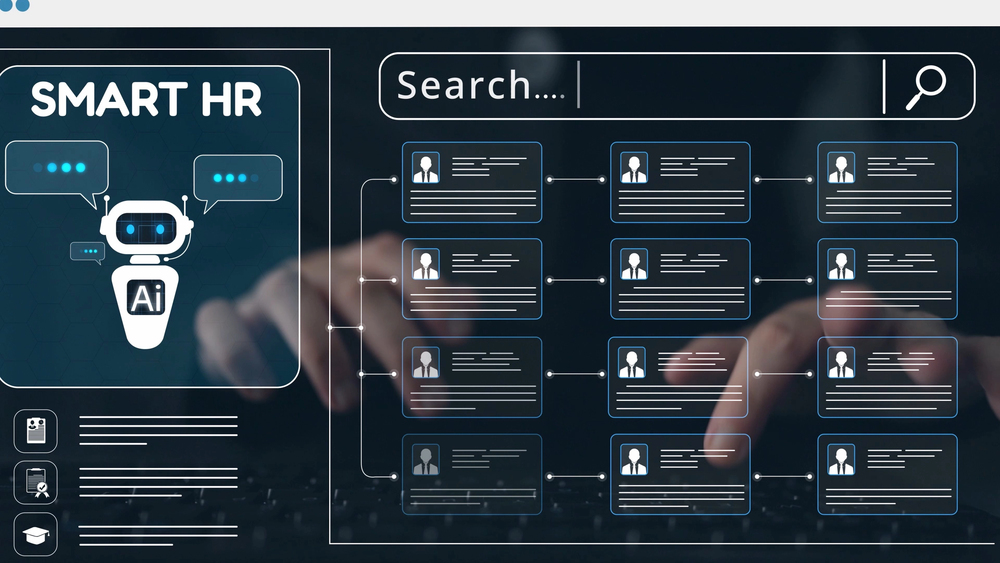
I’ve been addressing the frustration with online screening systems that are now widespread in both the public and private sectors for quite some time. Today’s applicants face lengthy questionnaires and algorithmic filters that often screen them out before their qualifications are even considered.
The hidden downside of online screening methods is that they create virtual barriers that prevent the consideration of high-potential candidates. Common roadblocks include specific education requirements and narrowly defined experience. The use of rigid filters frequently ignores transferable skills and real-world abilities, leaving many qualified individuals excluded.
 For instance, when a nonprofit is looking to hire a new manager, is it truly necessary for all applicants to possess a specific number of years of experience in the nonprofit sector? Couldn’t a candidate from the government or a socially responsible business also excel in the role?
Additionally, mistakes in the use of the technology are common. In one instance, a manager who already filled the role being advertised had their resume immediately rejected by an applicant tracking system that filtered out candidates without any actual review!
I believe that we’re on a slippery slope, as many qualified and talented people are being excluded because of the rigid and potentially discriminatory use of applicant tracking systems. Ultimately, it’s crucial for those establishing the screening criteria to differentiate between the immediate knowledge required from day one and the skills that a candidate can quickly acquire.
Making Your Job Search Work for You
Job hunting today can feel like a never-ending cycle of applications with no feedback. Hidden obstacles like ghost listings and algorithms that screen out candidates make the process tougher than it should be. Understanding these challenges—from companies posting fake or filler jobs to automated systems rejecting qualified people—can help you navigate smarter.
Focus on crafting personalized applications and building genuine connections in your field to improve your chances of landing interviews. The system might be flawed, but being aware of these factors gives you a better shot at success.
Did this article spark any career-related questions, plans or concerns?
Reach out today for a free and confidential initial consultation by phone, email, or direct message on LinkedIn, Instagram, or Facebook.
P.S. If you haven’t yet done so, stay in the loop by subscribing to my bi-monthly newsletter. Click here. I promise not to spam, and your email address will always remain private.
If you enjoyed this topic or are interested in ongoing professional and leadership development, you’ll also enjoy reading or listening to How to Be Resilient in Your Career: Facing up to Barriers at Work, my book published in 2023 by Routledge. It’s available in print, as an eBook, and on Audible.
More than career coaching, it’s career psychology®.
I/O Advisory Services Inc. – Building Resilient Careers and Organizations TM.