TL;DR: Neurodiversity in the AI-Enabled Workplace
AI tools can boost executive function for neurodivergent employees, but they also risk “flattening” or dampening unique perspectives if used to enforce rigid, neurotypical communication standards. To build a truly inclusive AI-enabled workplace, leaders must prioritize flexible tech options, guard against algorithmic bias, and ensure AI doesn’t create “always-on” pressure that leads to burnout.
 In a previous post on Inclusion-by-Design, I discussed the “quiet shift,” namely, the movement away from performative awareness and toward embedding equity, including considerations for neurodiverse employees, into the very architecture of our organizations. As we navigate March, a month where initial New Year momentum often meets the reality of first-quarter pressures, it is time to look at one of the most significant foundational shifts in modern history: the integration of Artificial Intelligence (AI) into our daily workflows.
While much of the conversation around AI and Performance Management focuses on productivity gains, we must ask: Who is being designed into this new digital workplace, and who is being designed out?
For neurodiverse employees, including those with ADHD, autism, or dyslexia, the AI-enabled workplace is a double-edged sword.
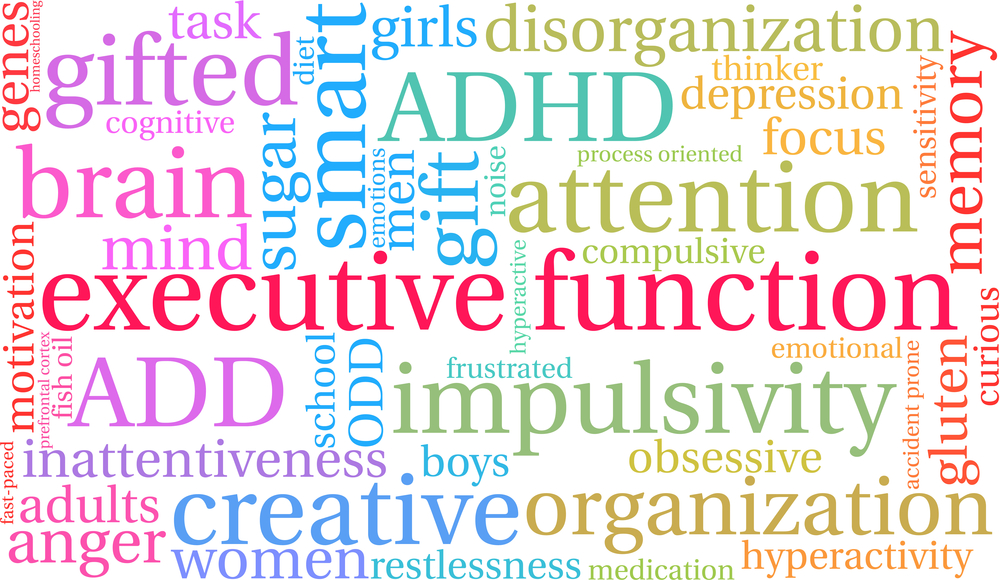 On the plus side, certain AI assistants are incredible for externalizing executive function (i.e., brain-based cognitive processes that manage focus, emotions, and behaviour to achieve goals). Tools can take a “brain dump” of disorganized thoughts and turn them into a structured to-do list, or break down a massive, overwhelming project into “micro-steps.” This reduces the “initiation paralysis” common in some neurodiverse brains.
One drawback is that if an employee heavily uses AI for communication because it’s so much faster, it can lead to a “flattening” of personality. If a neurodivergent person uses AI to rewrite everything they say to fit a perceived standard template, their unique perspective and creative “out-of-the-box” thinking—often a hallmark of neurodivergence—can get scrubbed away. It risks turning a vibrant, often insightful, divergent voice into generic, “safe” corporate output.
To build a truly inclusive environment, leaders must look past the “efficiency” hype and consider the potential implications and consequences.
The AI Paradox: Freedom vs. Rigid Optimization
AI tools can be incredible equalizers. They can assist with executive functioning, summarize long threads for those who experience digital overwhelm (or are pressed for time), and provide real-time feedback that reduces the “social guesswork” that often drains neurodivergent professionals.
However, there’s a hidden risk. When we use AI to “optimize” performance, we often default to a too-narrow, neurotypical standard of what “good” looks like. This could force neurodivergent colleagues to fit into boxes that simply don’t fit, even though their contributions are noteworthy.
Inclusion-by-Design in the Digital Architecture
 To ensure AI supports rather than stifles cognitive diversity, leaders should also apply an Inclusion-by-Design lens to their tech stacks:
Flexibility over Standardization: Allow employees to choose how they interact with AI. While some may thrive with voice-to-text AI assistants, others may find the constant “pings” of a digital helper to be a significant sensory distraction.
Mitigating the “Always On” Pressure: We know that in principle, AI can work 24/7, but humans cannot. As I’ve noted in my previous blog on Workplace Boundaries, setting firm limits on digital availability is essential for mental health. AI should be a tool to shorten the workday, not a reason to extend it by expecting employees to “quickly run something through AI, then check it for accuracy” during their downtime.
Audit for Algorithmic Bias: Just as we audit our hiring processes, we must ensure that the AI tools used for performance tracking aren’t inadvertently penalizing non-linear thinking or “atypical” work patterns.
H.O.T. Leadership for a Neuro-Inclusive Future
Navigating this transition requires what my guest blogger calls Modern H.O.T. Leadership (Honest, Open, and Transparent).
- Honesty: Acknowledging that we don’t yet know all the long-term impacts of AI on neurodiversity.
- Openness: Seeking input from neurodivergent colleagues and team members about which tools actually help and which create new barriers.
- Transparency: Being clear about how AI-generated data is being used in performance reviews to prevent “black box” anxiety and possible inaccuracies.
As we continue to explore the Intersection of Mental Health and EDI, let’s ensure that our technological progress doesn’t come at the cost of psychological safety and meaningful inclusion. True “Inclusion-by-Design” means building a workplace where every brain, no matter how it is wired, has the tools it needs to contribute and thrive.
Are you ready to lead your organization through the Quiet Shift toward embedding equity into the very foundation of your organization?
Whether you need Executive Coaching to refine your leadership style, Corporate Training, or HR Consulting to redesign your internal processes, I/O Advisory Services is here to help you navigate these complex psychological and professional waters. Book an appointment today to start the confidential conversation.
P.S. If you haven’t yet done so, stay in the loop by subscribing to my bi-monthly newsletter. Click here. I promise not to spam you, and your email address will always remain private.
If you enjoyed this topic or are interested in ongoing professional and leadership development, you’ll also enjoy reading or listening to How to Be Resilient in Your Career: Facing up to Barriers at Work, my book that was published in February 2023 by Routledge. It’s available in print, as an eBook, and on Audible.
More than career coaching, it’s career psychology®.
I/O Advisory Services Inc. – Building Resilient Careers and Organizations TM.